Chinese Tea Ceremony
Introduction
The Chinese tea ceremony is a refined cultural practice that embodies centuries of tradition, philosophy, and artistry. It is not merely a method of brewing and consuming tea but a holistic ritual that integrates aesthetics, etiquette, and mindfulness. Originating in ancient China, the tea ceremony has evolved over time, reflecting the values of harmony, respect, and tranquility. It is deeply rooted in Chinese culture and has become a symbol of the nation's rich heritage.
The practice involves the selection of high-quality tea leaves, the use of specialized tools and utensils, and a series of precise steps to prepare and serve the tea. Each aspect of the ceremony is imbued with meaning, reflecting the philosophical principles that underpin the tradition.
Historical Background
The origins of the Chinese tea ceremony can be traced back to the Tang Dynasty (618–907), a period when tea culture began to flourish in China. During this time, tea was not only consumed as a beverage but also became a subject of artistic and spiritual exploration. The Tang Dynasty saw the emergence of tea as a cultural symbol, with poets and scholars extolling its virtues in their works. Lu Yu, often referred to as the "Sage of Tea," wrote the seminal text "The Classic of Tea" ("Cha Jing"), which laid the foundation for the art of tea preparation and appreciation.
The tea ceremony reached its zenith during the Song Dynasty (960–1279), a period marked by the refinement of tea culture and the integration of Zen Buddhism into the practice. The Jingshan tea ceremony, for instance, originated during this era and became a harmonious blend of Zen principles and tea rituals. This ceremony, which involved the preparation of powdered tea in a meditative setting, was not only a spiritual practice but also a social activity that fostered connections among participants.
Over the centuries, the tea ceremony continued to evolve, incorporating regional variations and adapting to the tastes and preferences of different dynasties. During the Ming (1368–1644) and Qing (1644–1911) dynasties, loose-leaf tea became popular, leading to changes in brewing techniques and the design of teaware.
In contemporary China, the tea ceremony remains a vital part of cultural heritage. It is celebrated in various forms, from the traditional Jingshan tea ceremony to modern interpretations that highlight regional specialties. Educational institutions and cultural organizations play a significant role in preserving and promoting this tradition, ensuring that the art of the Chinese tea ceremony continues to thrive.
Philosophy and Principles
The philosophy of the Chinese tea ceremony is deeply intertwined with the principles of harmony, respect, purity, and tranquility. These values are derived from Confucianism, Taoism, and Buddhism, which have profoundly influenced Chinese culture. Harmony is achieved through the balanced interaction of the elements involved in the ceremony, including the tea, water, utensils, and environment. Respect is demonstrated in the careful preparation and serving of the tea, as well as in the interactions between the host and guests.
Purity is reflected in the cleanliness of the tools and the simplicity of the setting, emphasizing the importance of removing distractions to focus on the essence of the tea. Tranquility is cultivated through the meditative nature of the ceremony, allowing participants to connect with themselves and the present moment. The tea ceremony is not merely a physical act but a spiritual experience that fosters mindfulness and inner peace.
Tea Selection and Preparation
Types of Tea Used
The Chinese tea ceremony utilizes a wide variety of teas, each with unique flavors, aromas, and health benefits. Commonly used teas include green tea, black tea, oolong tea, white tea, yellow tea, and Pu'er tea. Green tea, known for its fresh and grassy flavor, is often used in ceremonies emphasizing simplicity and purity. Oolong tea, with its complex and floral notes, is favored for its ability to showcase the skill of the tea master. Pu'er tea, a fermented tea with earthy and robust flavors, is often chosen for ceremonies that highlight tradition and longevity.
The selection of tea is a crucial aspect of the ceremony, as it sets the tone and character of the experience. The quality of the tea leaves is paramount, with emphasis placed on their origin, processing method, and freshness. Tea masters often spend years studying the art of tea selection to ensure that the chosen tea aligns with the intended theme and mood of the ceremony.
Tools and Utensils
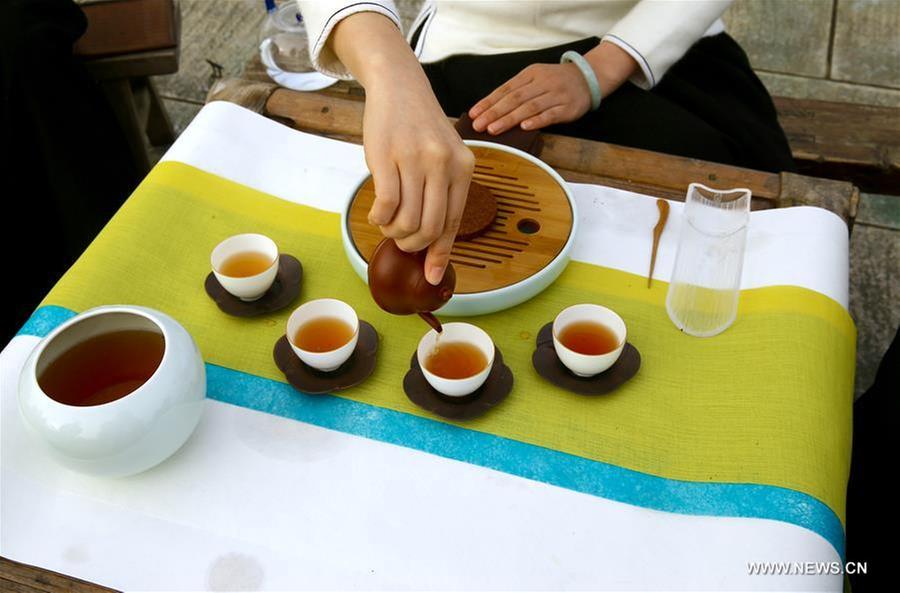
The tools and utensils used in the Chinese tea ceremony are both functional and artistic, reflecting the importance of aesthetics in the practice. Common items include the tea pot, tea cups, tea tray, tea scoop, tea strainer, and water kettle. Each tool is carefully crafted, often from materials such as porcelain, clay, bamboo, or glass, to enhance the visual and tactile experience of the ceremony.
The tea pot, typically made of Yixing clay, is prized for its ability to retain heat and develop a patina over time, which enhances the flavor of the tea. Tea cups are often small and delicate, allowing participants to savor the aroma and taste of the tea in small sips. The tea tray serves as a platform for the tools and helps to organize the ceremony. The water kettle is used to heat the water to the precise temperature required for the chosen tea, as different teas have specific brewing requirements.
Ceremony Process
Pre-Ceremony Preparation
Preparation is a vital part of the Chinese tea ceremony, as it sets the stage for a harmonious and meaningful experience. The tea master begins by selecting the tea leaves and ensuring that all tools and utensils are clean and arranged neatly. The environment is carefully curated, with attention to lighting, seating, and decor. Traditional Chinese music or the natural sounds of flowing water and birdsong may be used to create a serene atmosphere.
The tea master also prepares themselves mentally and physically, often engaging in meditation or deep breathing exercises to cultivate a calm and focused state of mind. This personal preparation ensures that the tea master can fully embody the principles of the ceremony and guide the participants through the experience.
Step-by-Step Procedure
The Chinese tea ceremony typically follows a structured sequence of steps, each performed with precision and grace. The process begins with the warming of the tea pot and cups, which helps to enhance the aroma and flavor of the tea. The tea leaves are then placed in the pot, and hot water is poured over them to awaken their essence. This initial infusion is often discarded, as it serves to rinse the leaves and prepare them for brewing.
The tea master then brews the tea, carefully controlling the water temperature, infusion time, and pouring technique to extract the optimal flavor. The brewed tea is poured into a serving vessel and distributed among the participants. Each cup is presented with respect and mindfulness, allowing the participants to appreciate the tea's color, aroma, and taste.
Etiquette and Rituals
Etiquette and rituals are integral to the Chinese tea ceremony, as they reflect the values of respect and harmony. Participants are expected to engage with the ceremony in a mindful and respectful manner, avoiding distractions and maintaining a calm demeanor. The act of receiving and drinking the tea is performed with gratitude and appreciation, acknowledging the effort and skill of the tea master.
Gestures and movements are deliberate and graceful, emphasizing the importance of mindfulness and intention. Participants may also engage in conversation, sharing their impressions of the tea and reflecting on the experience. These interactions foster a sense of connection and community, highlighting the social aspect of the tea ceremony.
Regional Variations
Kung Fu Tea Ceremony
The kung fu tea ceremony is one of the most renowned regional styles of the Chinese tea ceremony. Originating in Fujian and Guangdong provinces, it is characterized by its meticulous and elaborate brewing techniques. The term "kung fu" means "skill" or "effort," reflecting the precision and expertise required to perform the ceremony. The kung fu tea often uses oolong tea, as its complex flavors and aromas are well-suited to the detailed brewing process.
The ceremony involves the use of small tea pots and cups, allowing for multiple infusions of the tea leaves. Each infusion reveals different layers of flavor, providing participants with a dynamic and immersive experience. The kung fu tea ceremony is celebrated for its artistry and technical mastery, making it a favorite among tea enthusiasts.
Other Regional Styles
In addition to the kung fu tea, there are many other regional styles of the Chinese tea ceremony, each with unique characteristics and traditions. The Jingshan tea ceremony, originating from Jingshan Temple in Hangzhou, combines Zen Buddhism and tea ritual, emphasizing simplicity and mindfulness. The dian cha technique, a key aspect of the Jingshan tea ceremony, involves whisking powdered tea into a frothy mixture, creating a visually striking presentation.
Other regional styles include the Yushan tea market temple fair in Zhejiang province, which incorporates folk art performances and community activities, and the tea ceremonies of Wuyi Mountain in Fujian province, known for their connection to the region's famous rock teas. These variations showcase the diversity and richness of Chinese tea culture, highlighting its adaptability and enduring appeal.
Cultural Significance
The Chinese tea ceremony holds profound cultural significance, serving as a symbol of China's heritage and values. It is a medium for preserving and transmitting traditional practices, fostering a sense of identity and continuity. The ceremony also promotes mindfulness and well-being, offering participants a respite from the demands of modern life.
Through international events and exhibitions, the Chinese tea ceremony has become a bridge for cultural exchange, allowing people from different backgrounds to connect and learn from one another. It is celebrated as an art form, a social activity, and a spiritual practice, embodying the essence of Chinese culture and its timeless wisdom.








